


“What is your Michi trying to say?”
Cat Communication
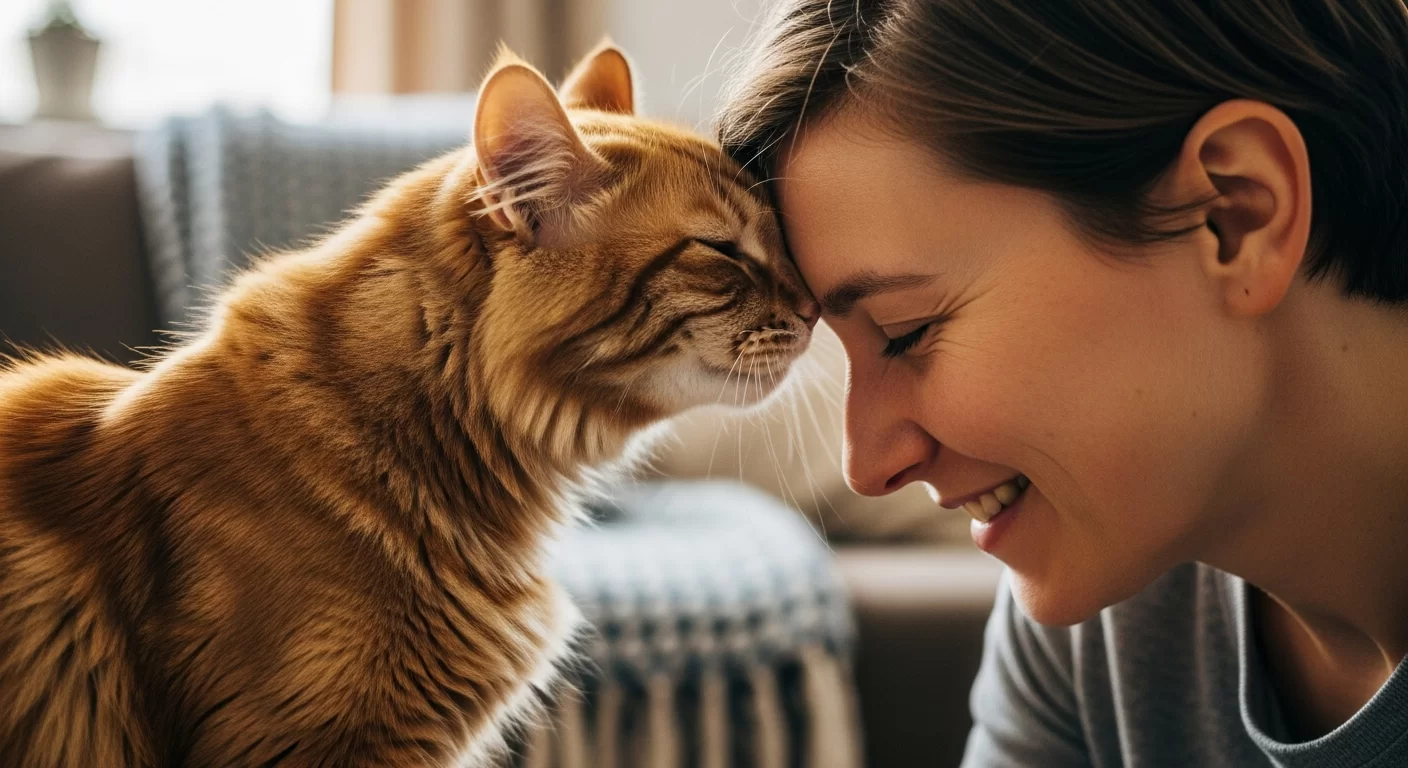
Why Does My Cat Headbutt Me? Cat Bunting and Affection Explained
Feline bunting deposits F3 facial pheromones to form colony bonds. Mistaking this behavior for neurological head pressing delays urgent triage.

Every Cat Has a Story
Start your cat's digital home today.
No app download. Set it up in your browser in under a minute.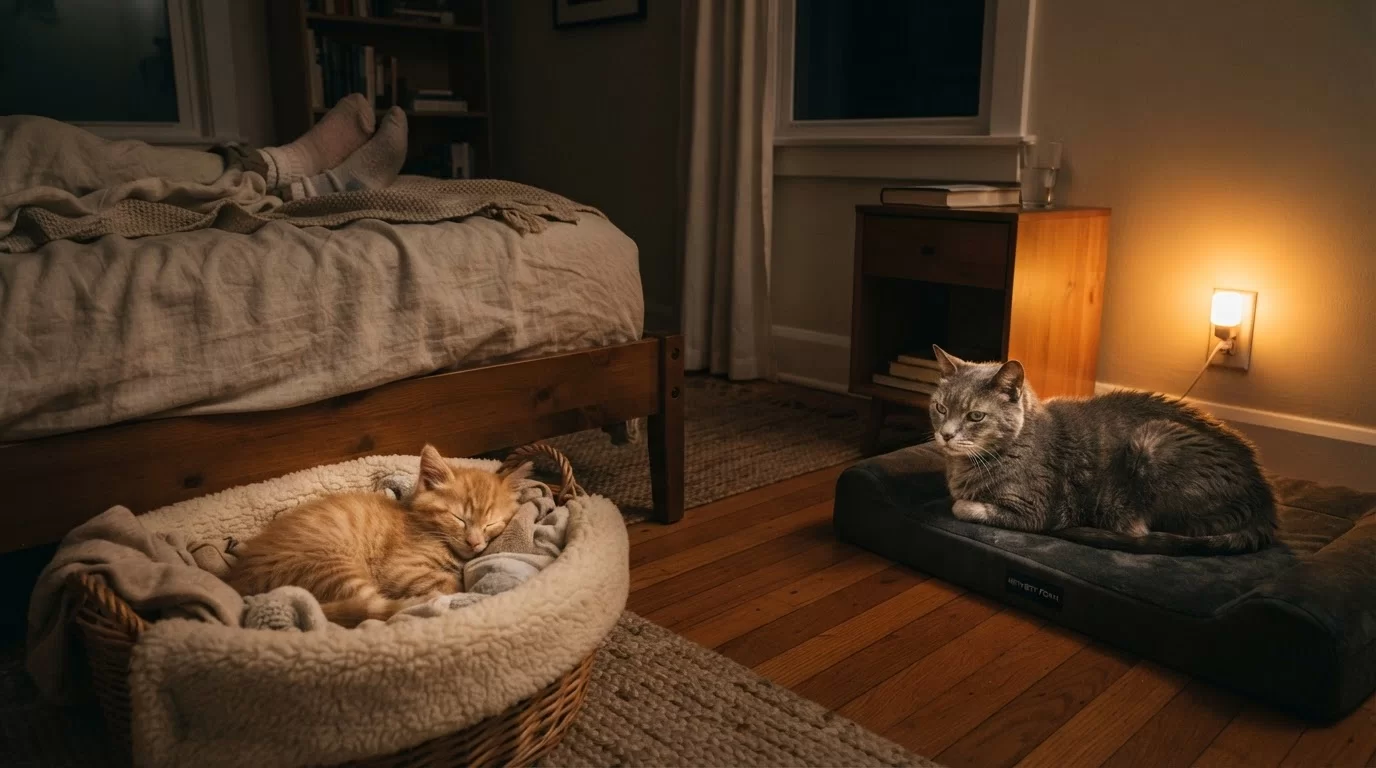
Why Do Cats Cry at Night? Senior Cats vs. Kittens Explained
Kitten night cries signal growth. Senior howls often point to hyperthyroidism, chronic pain, or dementia—delaying vet care risks rapid decline.
Every Cat Has a Story
Start your cat's digital home today.
No app download. Set it up in your browser in under a minute.
Why Do Adult Cats Meow at Human But Not at Other Cats?
Adult cats reserve meowing for humans alone—a neotenic behavior honed to exploit human nurturing instincts. Private vocal dialects develop per owner.

How to Tell If a Cat Is Happy? Decoding Cat Homeostatic and Territorial Comfort
Cats mask internal imbalance behind silence and purring. Decode homeostatic and territorial comfort cues—biological markers of true feline happiness.
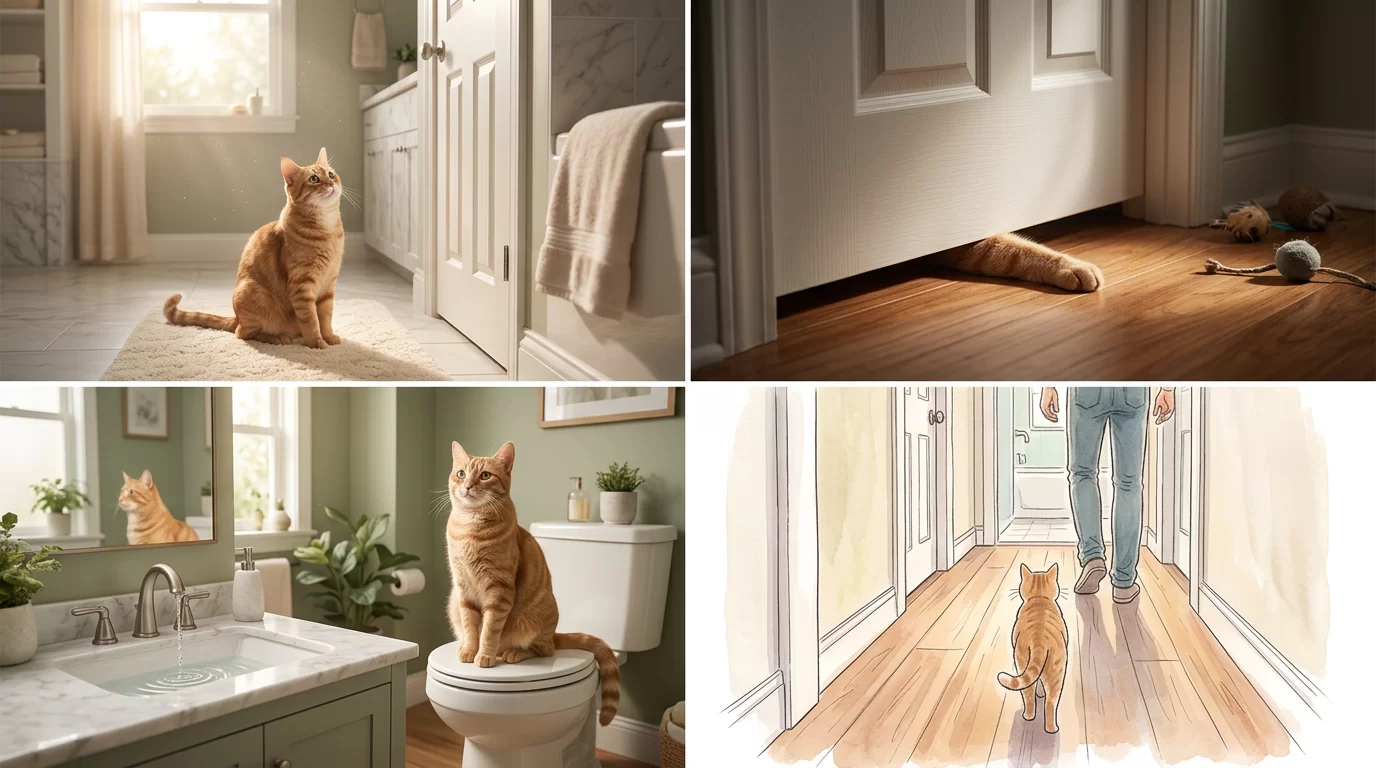
Why Does My Cat Follow Me to the Bathroom? The Behavioral Ecology of Feline Boundary Tracking
Cat bathroom escorts are rooted in boundary tracking: a closed door fragments the scent map, driving the instinct to patrol and stay close.
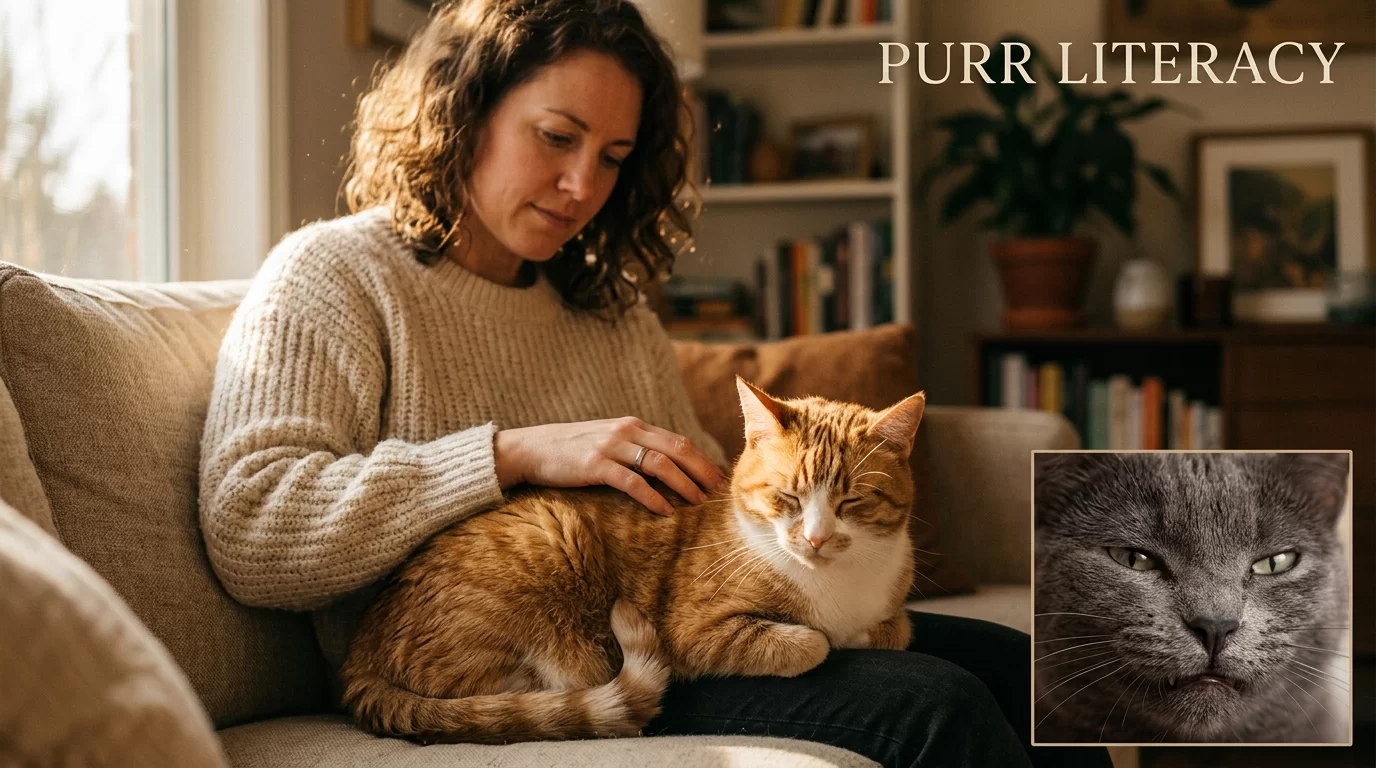
Cat Purring Mechanics: Neurobiology and Acoustic Signatures of Tactile Stimulation
A cat’s purr isn’t always a sign of happiness—it’s a neurophysiological response that can signal pain or distress. Know the differences.
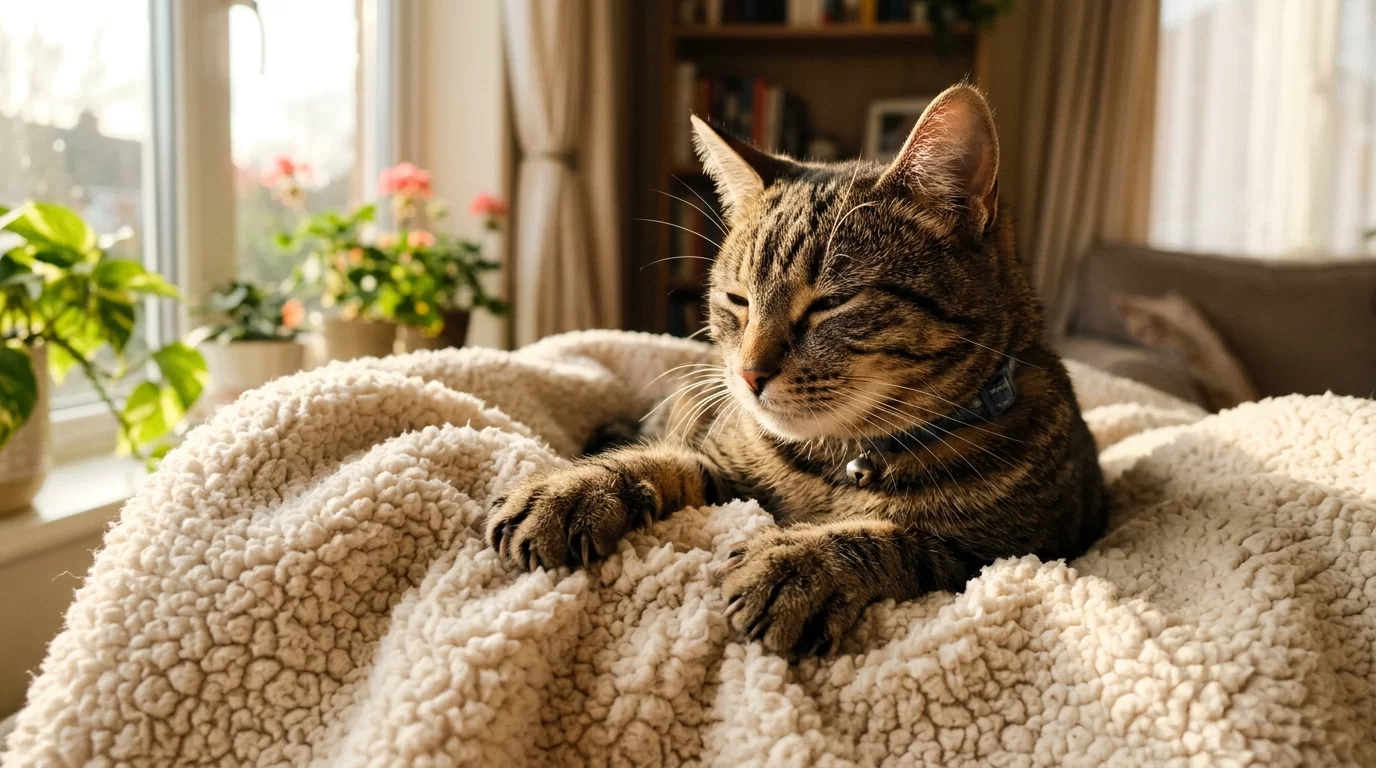
Why Do Cats Knead Blankets? The Behavioral Science of Feline Making Biscuits
Paw-pad scent glands turn blanket kneading into a chemical safety signal—rooted in nursing. But frantic clawing or fabric eating demands a vet’s read.
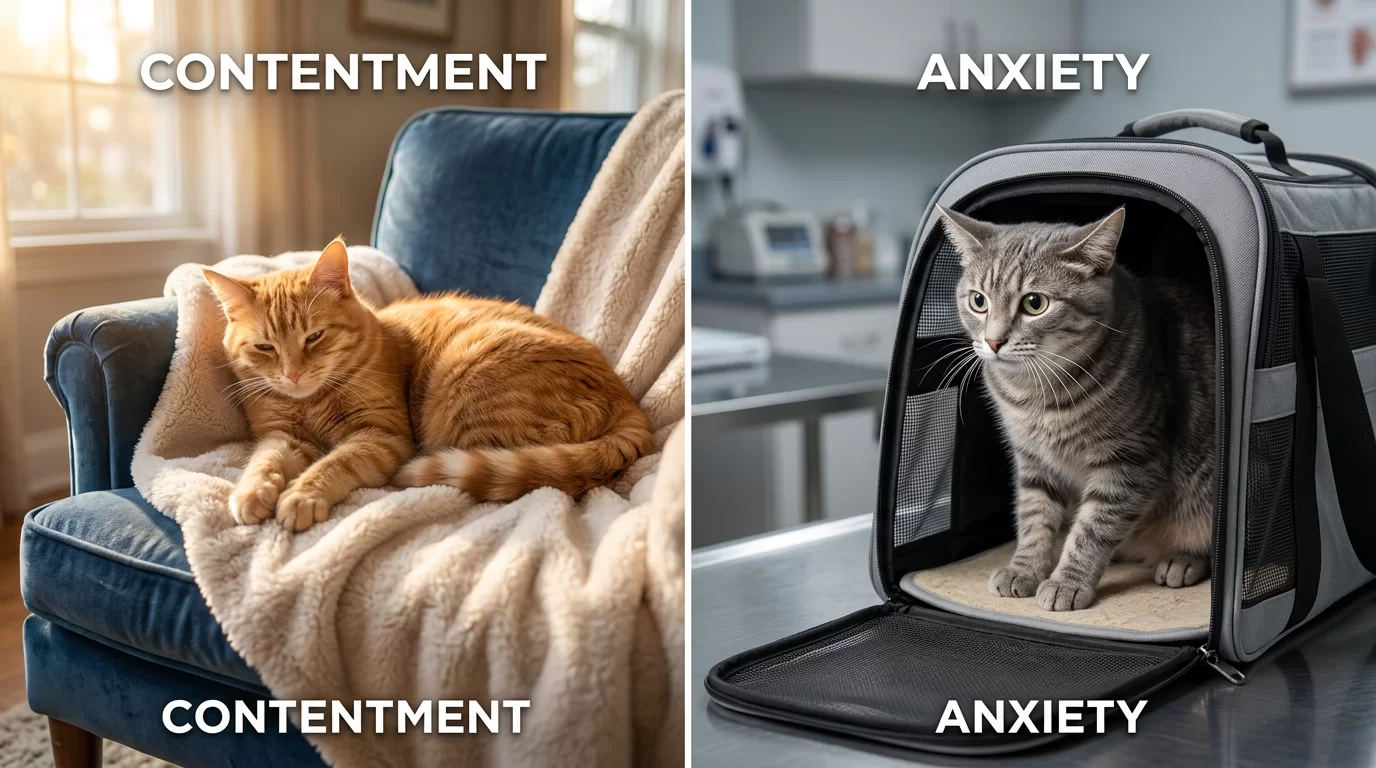
Why Do Cats Knead? Feline Comfort Signals vs. Stress Responses
Kneading can signal serene contentment or hidden anxiety. Body language beyond the paws tells the story—Cornell Feline Health Center insights.
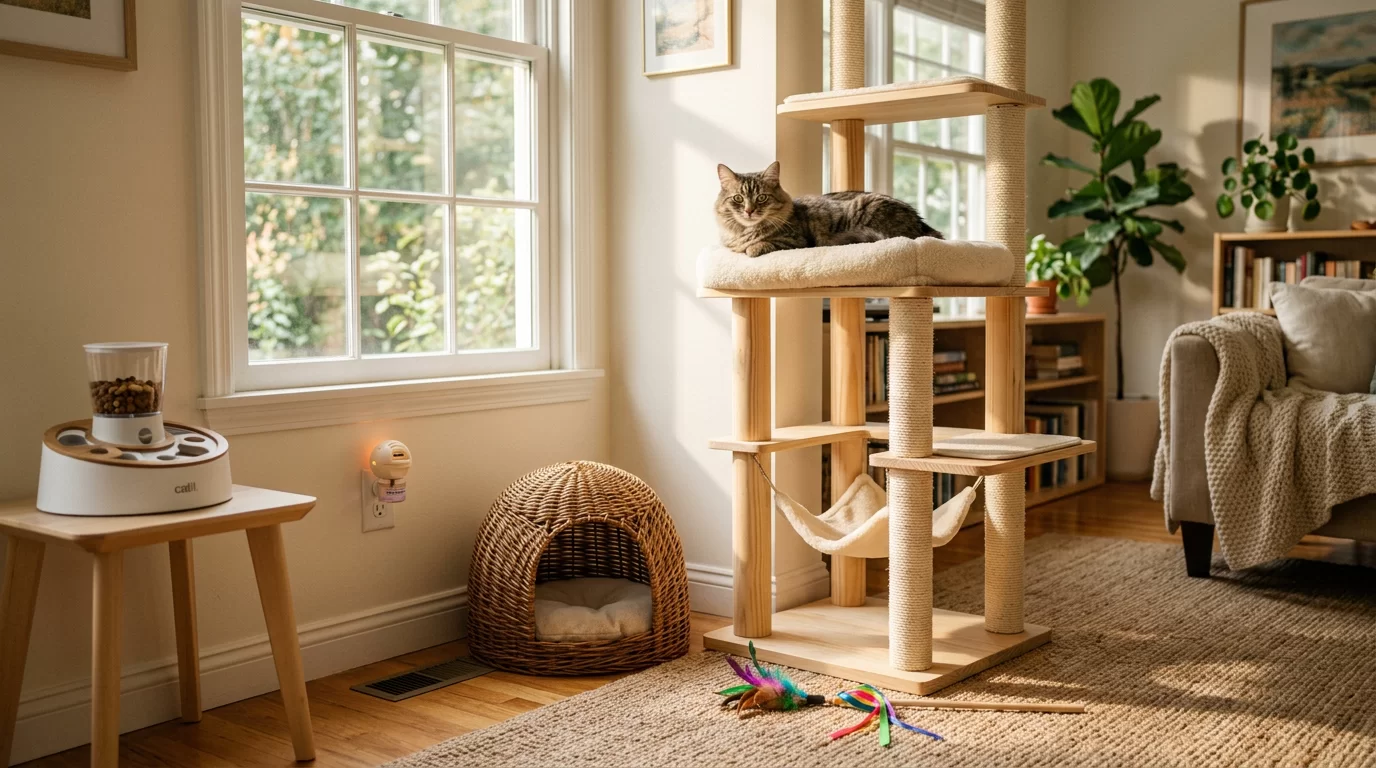
Anxious Cat Behaviour- Signs, Causes and How to Help
Chronic anxiety in cats triggers serious health issues like cystitis. Here's the veterinary-backed protocols to recognize subtle signs, enrich environment, and modify behavior.
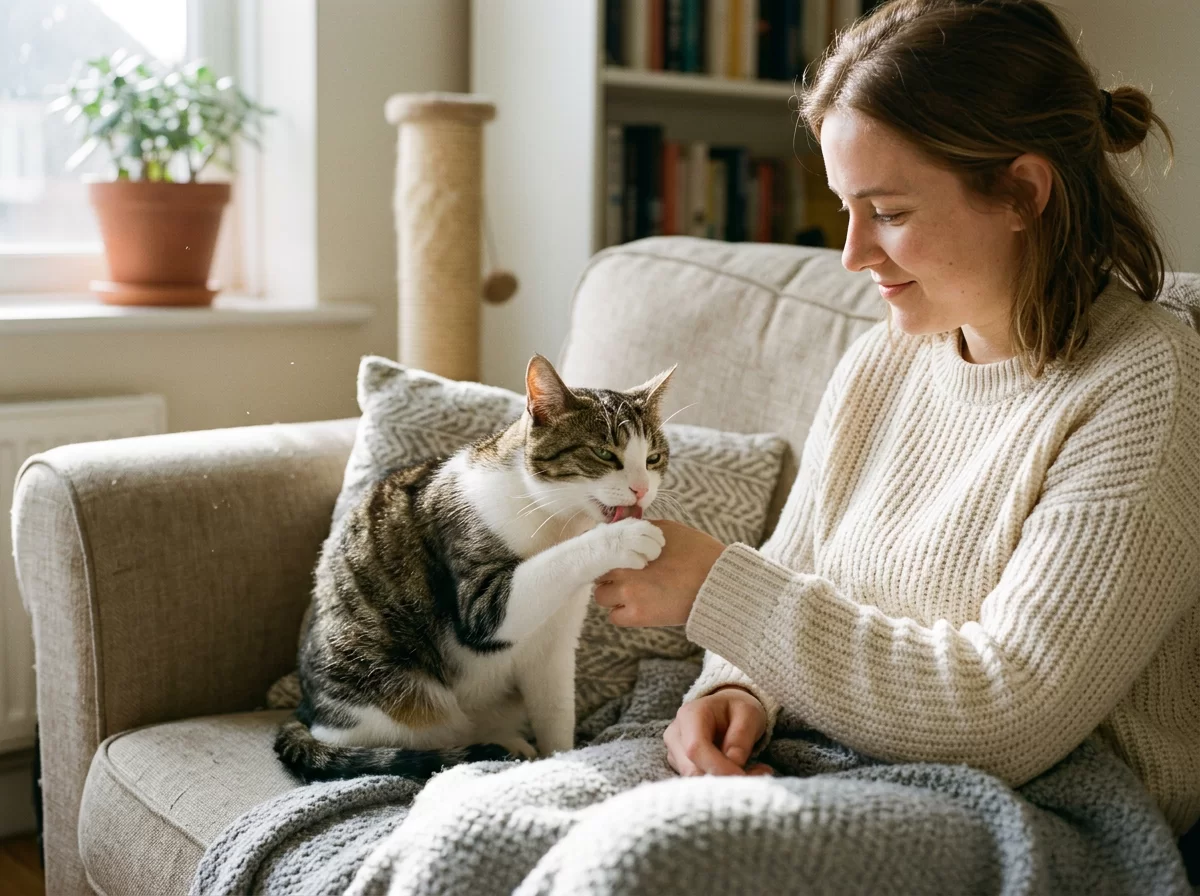
Why Do Cats Bite Then Lick?
Teeth then tongue: a cat’s bite-then-lick often signals overstimulation, not aggression. Reading the body language prevents painful nips.