


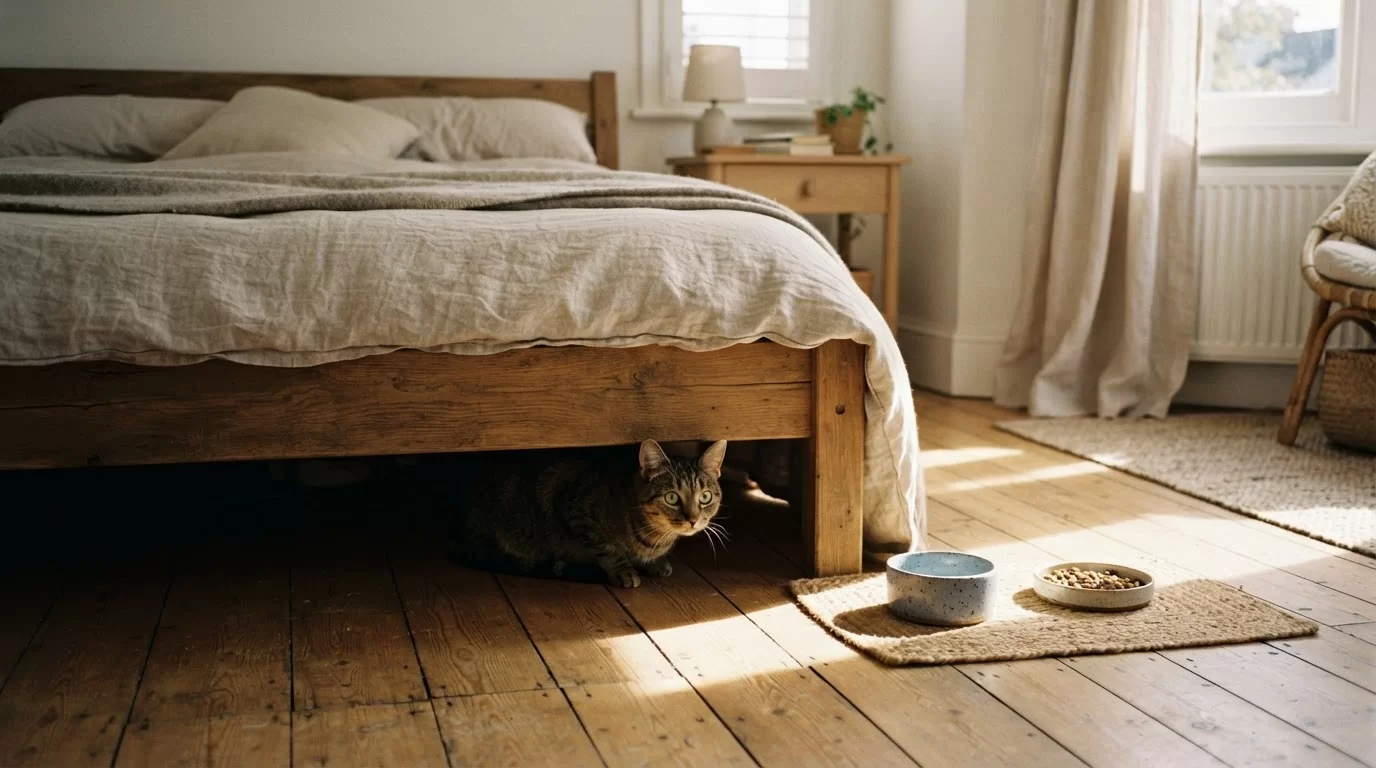




Sleeping cat in the Love Michi cat resources search banner

Search the Michi Mind

“What is your Michi trying to say?”

🔥 Hot searches

Explore by Cat's Life Universe

Two cats for the Love Michi cat profile banner

Every Cat Has a Story

Start your cat's digital home today.

No app download. Set it up in your browser in under a minute.
Create My Cat Profile

Most Asked Questions

View more Q&A

What are the most effective ways to break the burnout cycle without ignoring my cat’s needs?

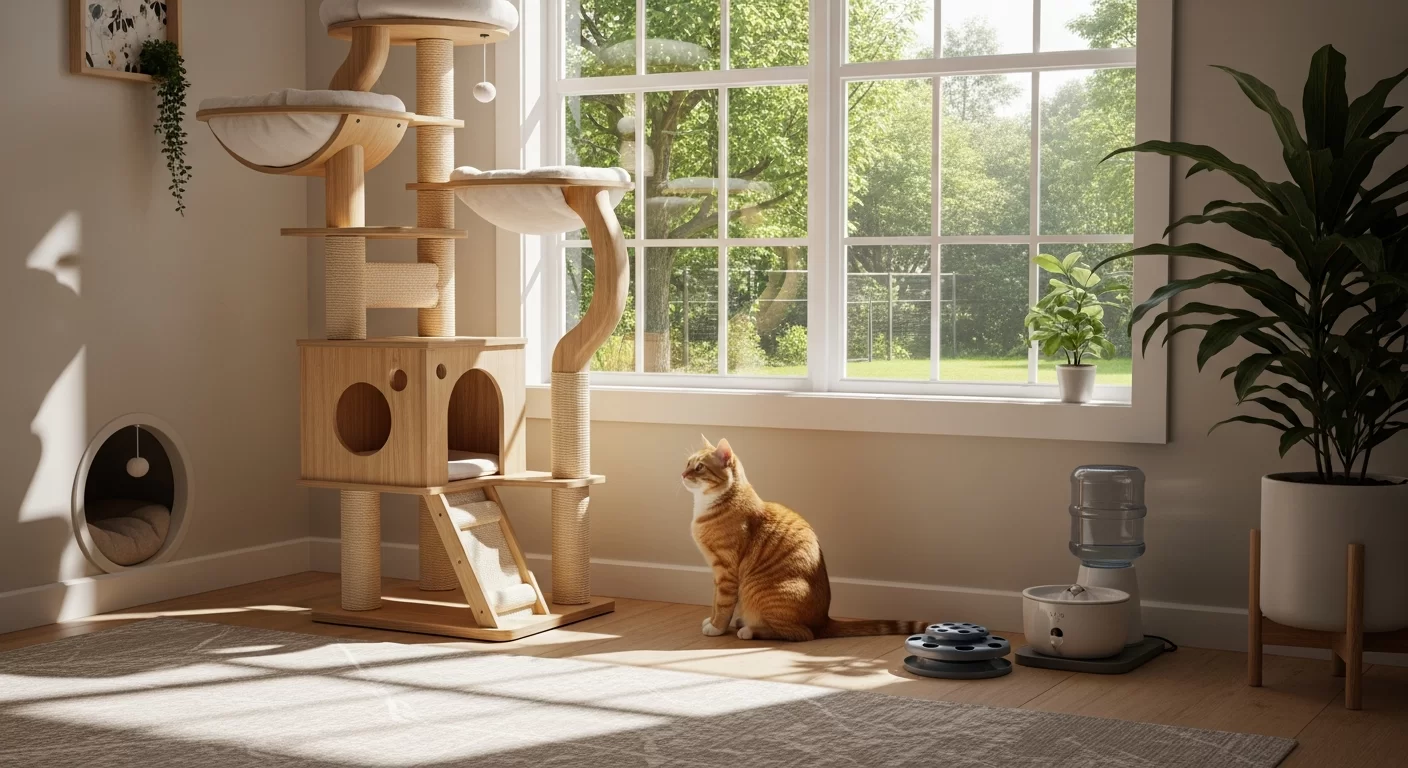
Set compassionate boundaries first: close the bedroom door at night, hire a pet sitter for a few hours, and protect your sleep. Shift the goal from “curing” anxiety to managing it within a tolerable range—small wins count. Use low-effort tools like Feliway diffusers, puzzle feeders, and cat trees near windows to lower your cat’s baseline stress without draining your energy. Build a support network through online forums or a therapist familiar with pet-related stress; isolation fuels burnout.

What should I do if my cat hisses or swats at the new pet during the introduction?

Separate them calmly and reduce the intensity of the next session. Hissing and swatting are communication signals that usually mean your cat is overwhelmed. Do not punish the cat, because that often increases fear and can make the new pet feel even more threatening. Instead, shorten the interaction, add more distance, and return to the previous step until your cat is relaxed again.

Should I try calming products first or take my cat to the vet for sudden behavior changes?

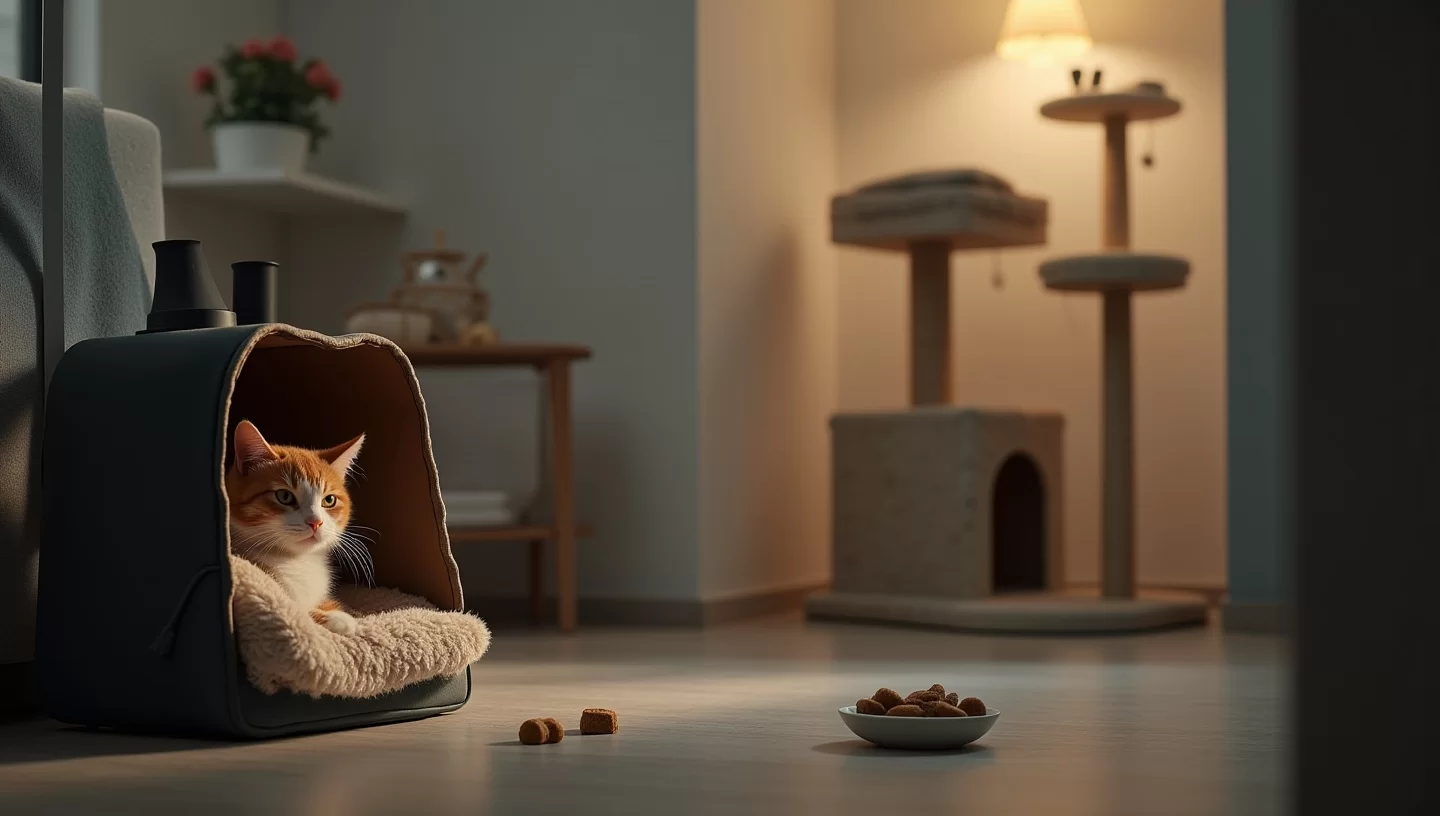
For sudden changes such as new aggression, hiding, litter box avoidance, or appetite loss, the safest first step is a veterinary exam, not a calming product. Pain and illness are often the root cause, and delaying diagnosis can allow conditions like urinary obstruction or dental disease to worsen. Low-risk environmental changes like adding a hiding box or a low-entry litter box are fine while you wait for the appointment, but medical evaluation should come first. If the vet finds no physical problem, then a behavior plan with pheromones, enrichment, or anxiety medication becomes appropriate.

How can I tell if my cat is hiding because of pain or just anxiety?

The biggest clue is timing and context. If hiding began after a specific stressor like a new pet, moving, or loud noise, anxiety is more likely, especially if your cat still eats, uses the litter box, and moves normally when the trigger is gone. If hiding is sudden, persistent, or accompanied by other changes like limping, appetite loss, or flinching when touched, pain from arthritis, dental disease, or an injury becomes a stronger possibility. A veterinarian can often distinguish these by examining your cat’s posture, mobility, and response to palpation, along with any needed bloodwork or imaging.